

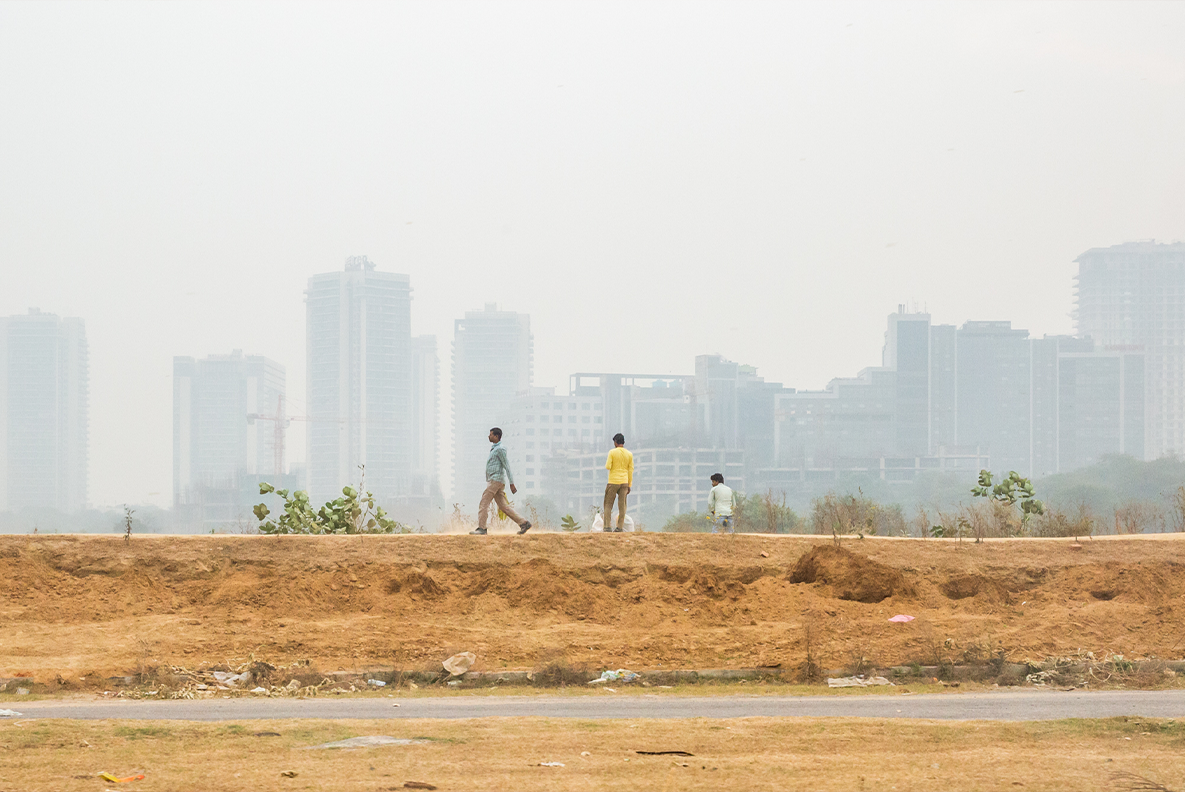
The Heat Gap The role of social inequality and the caste system
⇥⇥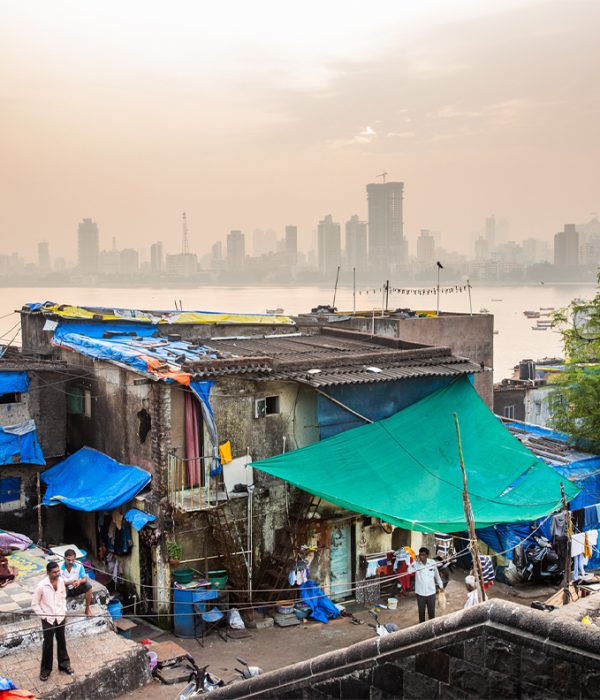
Over the past few decades, India has experienced a profound economic transformation, transitioning from a near-stagnant economy into one of the world’s fastest-growing major powers. Despite these achievements, inequality remains a persistent feature of India’s development path, raising concerns about the inclusiveness and sustainability of economic progress.
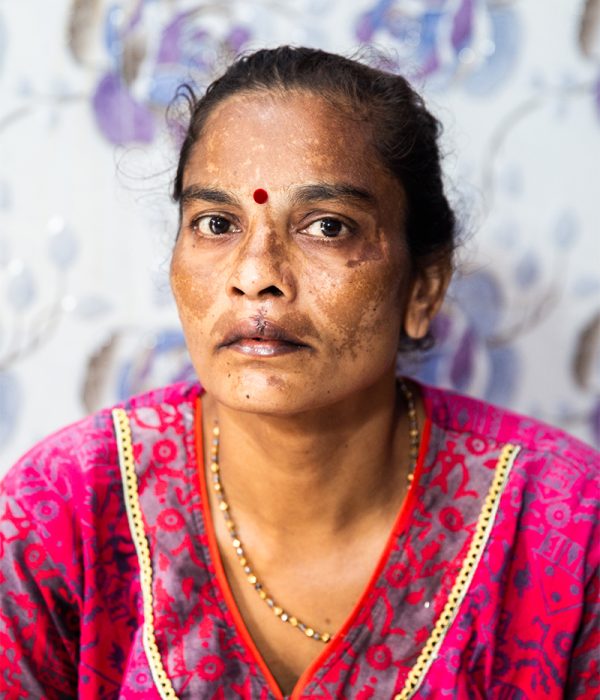
The caste system has been a central feature of Indian society for around three millennia, shaping social organization across generations. Traditionally rooted in Hindu social organization, caste has long influenced occupational roles, social interactions including marriage practices in India. Today, caste identity remains salient for most Indians, including those belonging to non-Hindu religious communities, reflecting its deep entrenchment in social life.
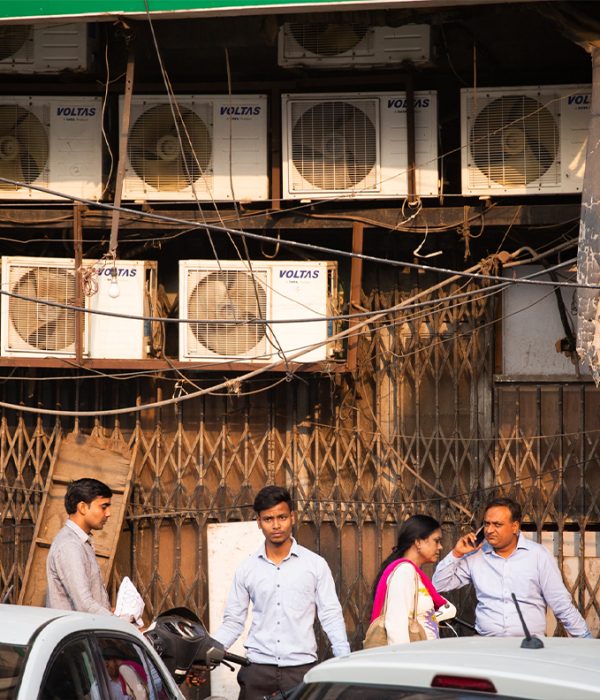
The dynamics across and within caste groups are particularly relevant also when households face environmental stressors such as extreme heat. Indeed, adapting to rising temperatures increasingly requires material investments within the home, making climate adaptation inseparable from consumption choices. Yet responses to heat are not determined by income alone.
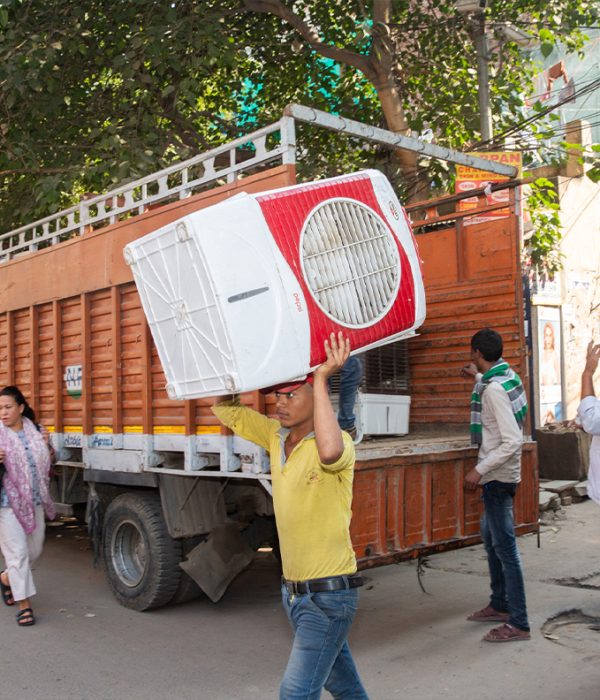
The study examines in detail how peer behaviour within caste groups shapes cooling decisions. Rather than acting in isolation, households may respond to the choices of socially proximate others. When a particular adaptation strategy becomes common within a caste group, it can influence what is perceived as normal or appropriate.
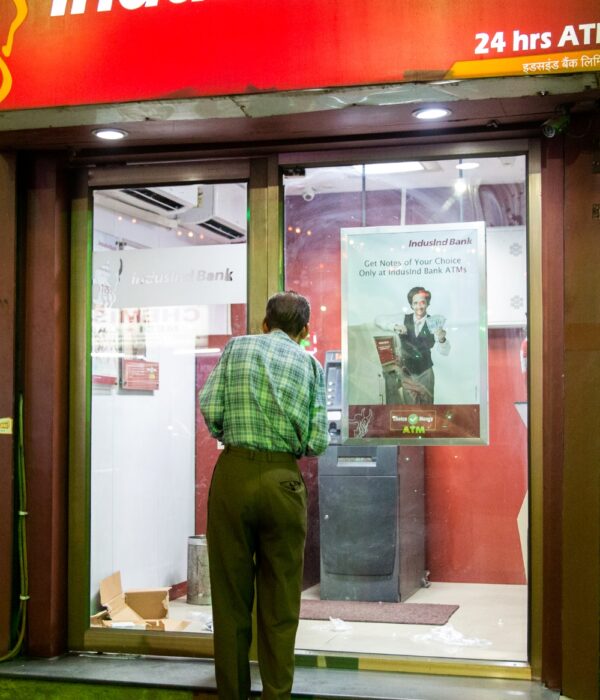
Access to credit in India has expanded substantially over the past few decades through rural social banking, bank nationalisation and targeted financial inclusion policies, yet large segments of the population remain excluded from formal credit and continue to rely on informal lenders. Household and village-level studies show that formal credit penetration is strongly skewed towards better-off households and more developed regions
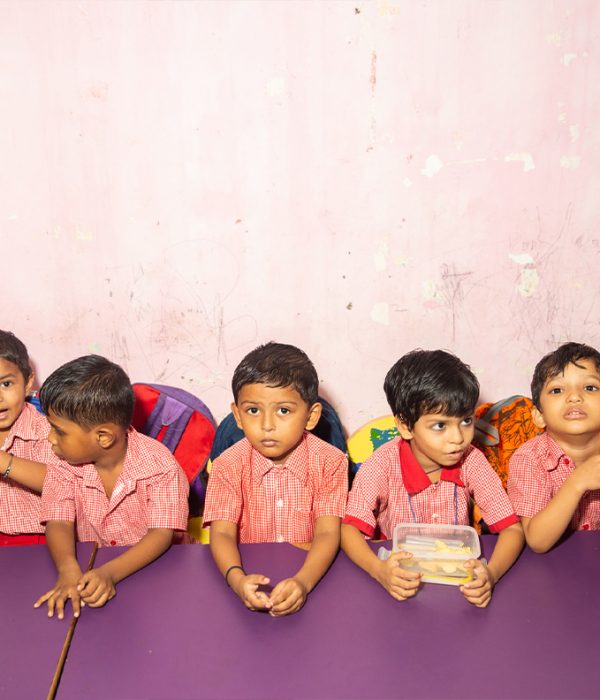
The cast system also defines educational disparities which manifest in both the quality of schooling and the outcomes of that education. Intense segregation persists, with nearly 30% of schools enrolling 90% or more students from a single caste category. Even when lower-caste individuals attain higher education, they often experience lower economic returns compared to upper-caste peers with the same qualifications.
The study presented in this website was carried out within the PRICE (PRoductivity and equity Implications of Climate change in Europe) projected funded by the European Union Next-GenerationEU - National Recovery and Resilience Plan (NRRP) – MISSION 4 COMPONENT 2, INVESTIMENT 1.1 Fondo per il Programma Nazionale di Ricerca e Progetti di Rilevante Interesse Nazionale (PRIN) – CUP N. H53D23005070006.